
How Anxiety Changes Your Thinking: Understanding the Mental Traps That Keep You Stuck
“Anxiety does not empty tomorrow of its sorrows, but only empties today of its strength.”
— Charles Spurgeon

Drink
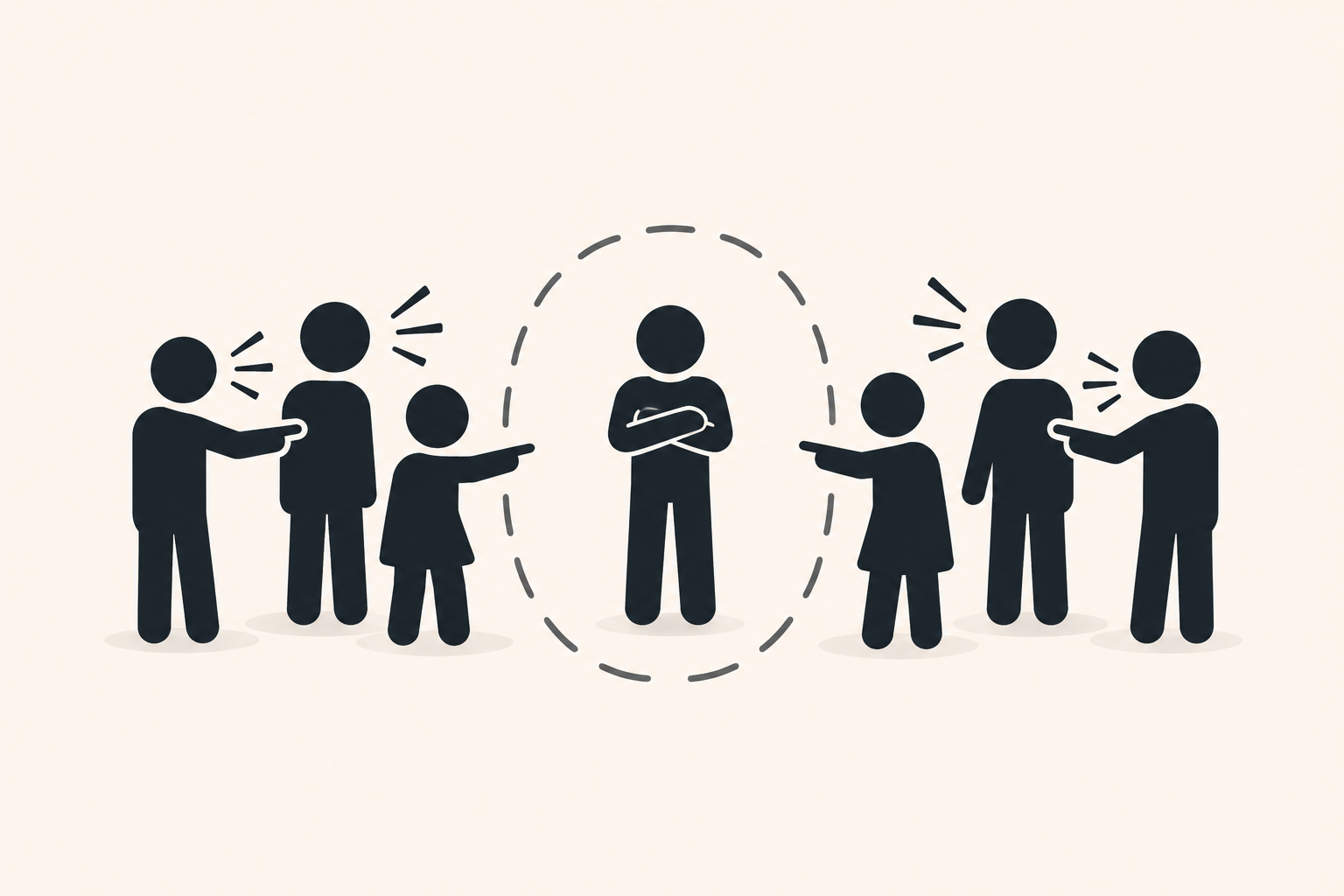
Intolerance of Uncertainty
One of the strongest predictors of chronic anxiety isn't fear.
It's difficulty tolerating uncertainty.
The anxious brain constantly asks:
What if?
What if not?
What if later?
What if I miss something?
Ironically...
The search for certainty usually creates more uncertainty.
"What if something goes wrong?"
"I should have said something different."
"They're probably upset with me."
"I just have a bad feeling."
If you've ever noticed your mind racing through worst-case scenarios or replaying conversations long after they've ended, you're not alone. Anxiety doesn't just affect how your body feels—it changes how your brain processes information.
Many people think anxiety is simply "worrying too much," but clinically, anxiety alters attention, memory, decision-making, perception, and even how we interpret other people's intentions. It convinces us that danger is everywhere, uncertainty is unacceptable, and our thoughts are facts.
The encouraging news is that understanding how anxiety influences your thinking is one of the first steps toward regaining control.
Anxiety and the Negativity Bias
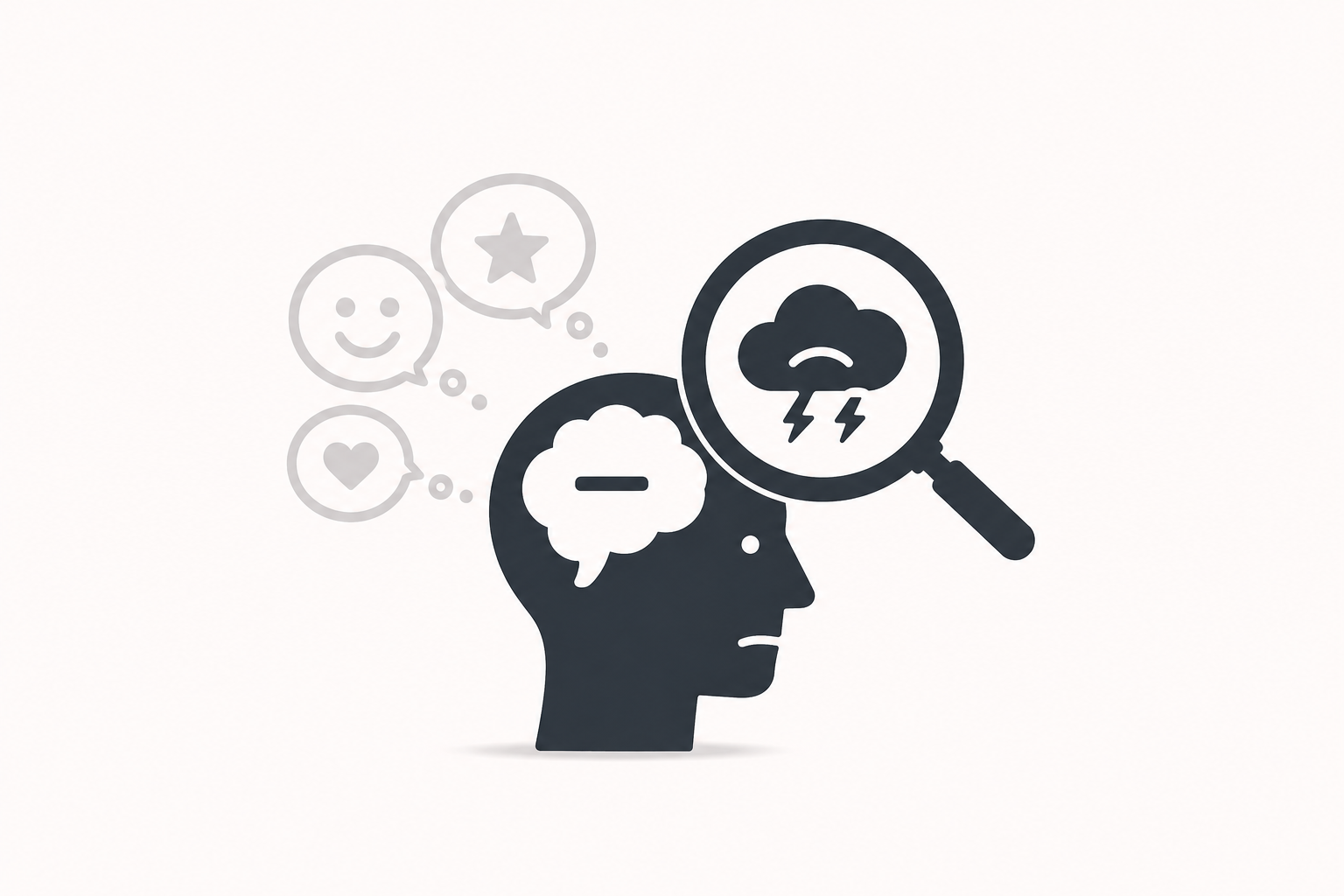
Your brain naturally remembers negative experiences more vividly than positive ones.
This is called the negativity bias.
Evolution favored remembering danger over comfort.
One embarrassing presentation may outweigh twenty successful ones in your memory.
Not because it was more important...
But because your survival brain tagged it as something to avoid repeating.
Confirmation Bias
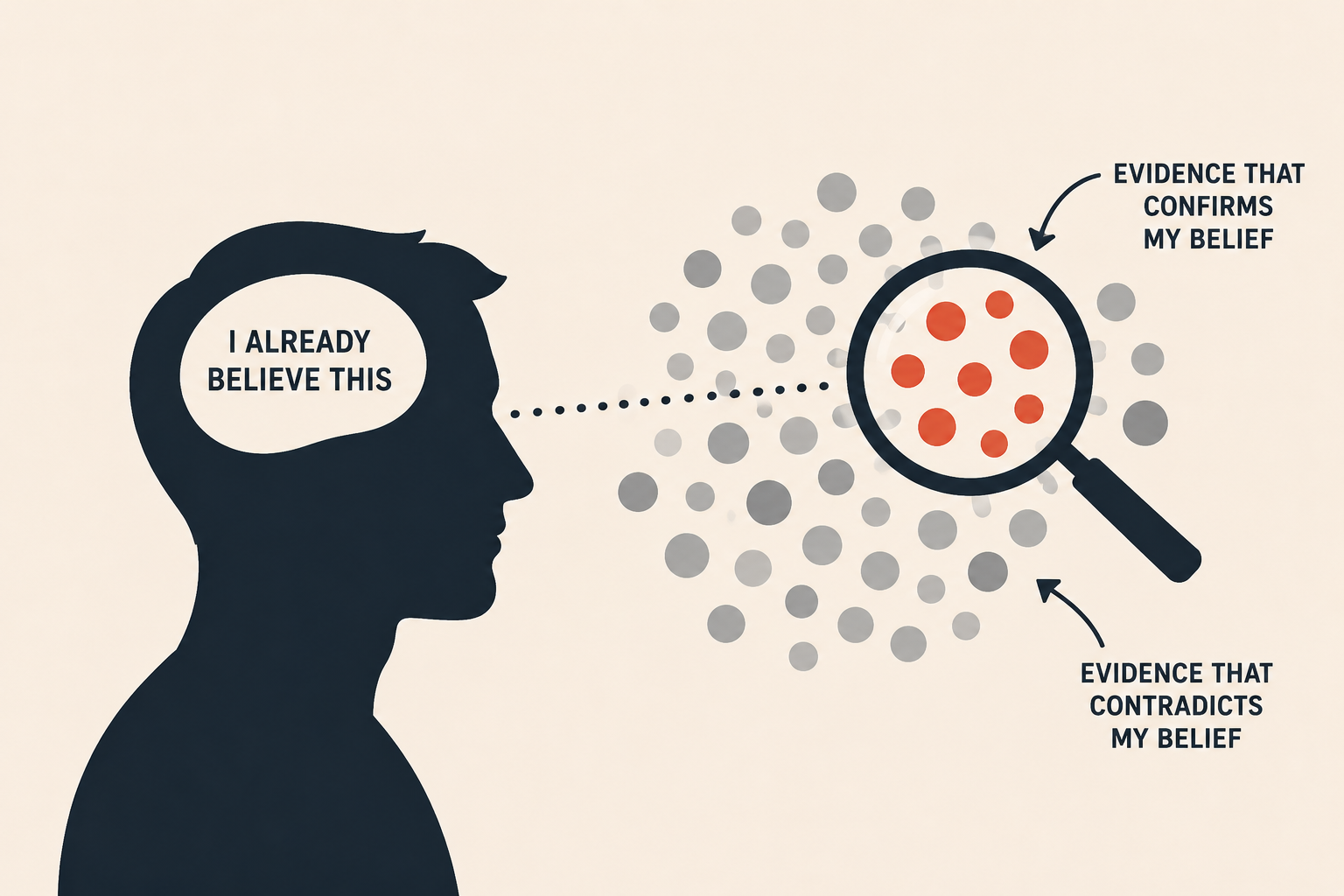
Once anxiety decides something is dangerous...
It starts collecting evidence to prove itself right.
Imagine believing:
"People don't like me."
Now your brain notices:
✓ One short reply.
✓ One canceled plan.
✓ One serious facial expression.
Meanwhile it ignores:
invitations
compliments
kindness
encouragement
Anxiety becomes its own evidence.
Final Thoughts
Anxiety is persuasive. It speaks with urgency, demands certainty, and often convinces us that every uncomfortable feeling signals real danger. But anxious thoughts are not always accurate reflections of reality—they are interpretations filtered through a brain trying to protect you.
The goal is not to eliminate every anxious thought. That isn't realistic. The goal is to recognize when anxiety is driving your thinking, pause before accepting its conclusions, and choose responses based on evidence rather than fear.
Over time, practicing these skills helps retrain the brain. Each time you challenge a catastrophic prediction, tolerate uncertainty, or resist seeking immediate reassurance, you teach your nervous system that you are capable of handling discomfort without being controlled by it.
If anxiety is interfering with your work, relationships, sleep, or ability to enjoy life, therapy can help you understand the patterns behind your anxious thinking and develop practical strategies to regain confidence and peace of mind.
Remember:
You don't have to believe every thought that crosses your mind. Some thoughts deserve your attention. Others deserve your curiosity. And some deserve to be gently challenged.
References
American Psychiatric Association. (2022). Diagnostic and Statistical Manual of Mental Disorders (5th ed., text rev.).
Beck, A. T., Emery, G., & Greenberg, R. L. (2005). Anxiety Disorders and Phobias: A Cognitive Perspective. Basic Books.
Clark, D. A., & Beck, A. T. (2011). Cognitive Therapy of Anxiety Disorders: Science and Practice. Guilford Press.
Kahneman, D. (2011). Thinking, Fast and Slow. Farrar, Straus and Giroux.
LeDoux, J. E. (2015). Anxious: Using the Brain to Understand and Treat Fear and Anxiety. Viking.
Mathews, A., & MacLeod, C. (2005). Cognitive vulnerability to emotional disorders. Annual Review of Clinical Psychology, 1, 167–195.
McGonigal, K. (2015). The Upside of Stress. Avery.
Spielberger, C. D. (Ed.). (2013). Anxiety and Behavior. Academic Press.
Zeigarnik, B. (1927). On Finished and Unfinished Tasks. Psychological Research, 9, 1–85.